'Whistling Oyster Works'
Manufactory of object d'arte and silver doo-dads…
just for fun
Welcome to my home-page.
I am ‘The Whistling Oyster’ and it is a pleasure to have you here.
There’s not much to say about my website, I am no expert in these things and frankly I’d rather be in my shed bashing bits of metal about. That said, if like me you have an interest in silver (with odd excursions into brass and copper – but not too much mind), then you are most welcome to have a poke around my gallery page.
The odds and sods you’ll discover there were mostly knocked-up in my current shed (nice and warm), and a previous garage (bloody freezing).
I am a bodger at heart and whilst I have picked-up a few tricks along the way, the work you will espy (should you choose to take a look), is but how I am spending some of my time whilst queueing in God’s Waiting Room. I wish you joy of it.
N.B. This organ is hardly up to date and I intend to rectify that in the coming hours, days, weeks, months, years… but don’t hold your breath.
Long live the Birmingham screwdriver.
Please visit again, I could do with the company.
P.S. Next time you develop a yen for an oyster, try them baked – they taste exquisite… and don’t forget the Tabasco.
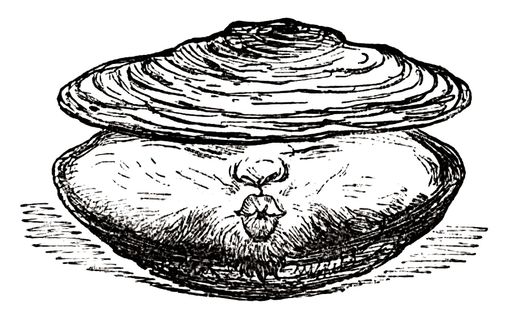
Behind the Theatre Royal in Covent Garden there was once a narrow court called Vinegar Yard. It was built in the early seventeenth century, and given its proximity to the theatre, its population was a characterful one. Numbered amongst its residents (living at 13 Vinegar Yard), was one George Pearkes, an ‘oysterman’ and ‘dealer in spruce ginger beer and British wines’.
Pearkes’s shop catered for the Victorian taste for lobster salad and dressed crab, for pickled and kippered salmon, for bloaters and dried sprats, for fish sandwiches and, most particularly… for oysters.
In 1843 something strange happened at No. 13. Pearkes (who slept upstairs), was kept awake for nights on end by a whistling sound from the shop below. As the nights went on it became louder, and when it finally became unbearable Pearkes took it upon himself (at three o’clock one morning), to creep downstairs holding a rushlight and a pistol. In the shop he met the maid, Jane, who had also heard the whistling.
They were astonished to discover that the source of the sound was an oyster.
Once identified the whistler was separated from its fellows and put on a rich diet of oatmeal and brine. News of the miraculous bivalve and its whistling spread, it became a celebrity, and visitors came to witness the peculiar goings on - Punch magazine going so far as to print a portrait of the oyster in its edition of July-December 1843.
Edward Walford, a collector of oddities wrote of Pearkes’s whistling oyster in Old and New London volume 3 1878 :
Probably there existed somewhere in his shell a minute hole, such as those with which the stray oyster-shells upon the beach are usually riddled, and the creature, breathing in his own way by the due inspiration and expiration of water, forced a small jet through the tiny orifice each time that he drew his breath, and so made the strange noise.
Naturally our oyster couldn’t last, and though the memory of it stayed fresh in many minds of many for years, the oyster itself did not. There was some speculation as its fate, one writer wondering if it had been eaten alive, or scalloped, or turned into sauce and served with hot beefsteak.
As to Mr Pearkes, he lived on in Vinegar Yard for a time before moving down to Kent. And there in 1878, in Gravesend, he died aged eighty-six.
Requiescat in pace